CyRAACS SERVICE
Consulting services can provide the expertise and guidance needed to ensure your business is protected from malicious actors. Whether you’re looking to implement a comprehensive security strategy or simply need advice on compliance and data protection, a cybersecurity consultant can provide the support you need.

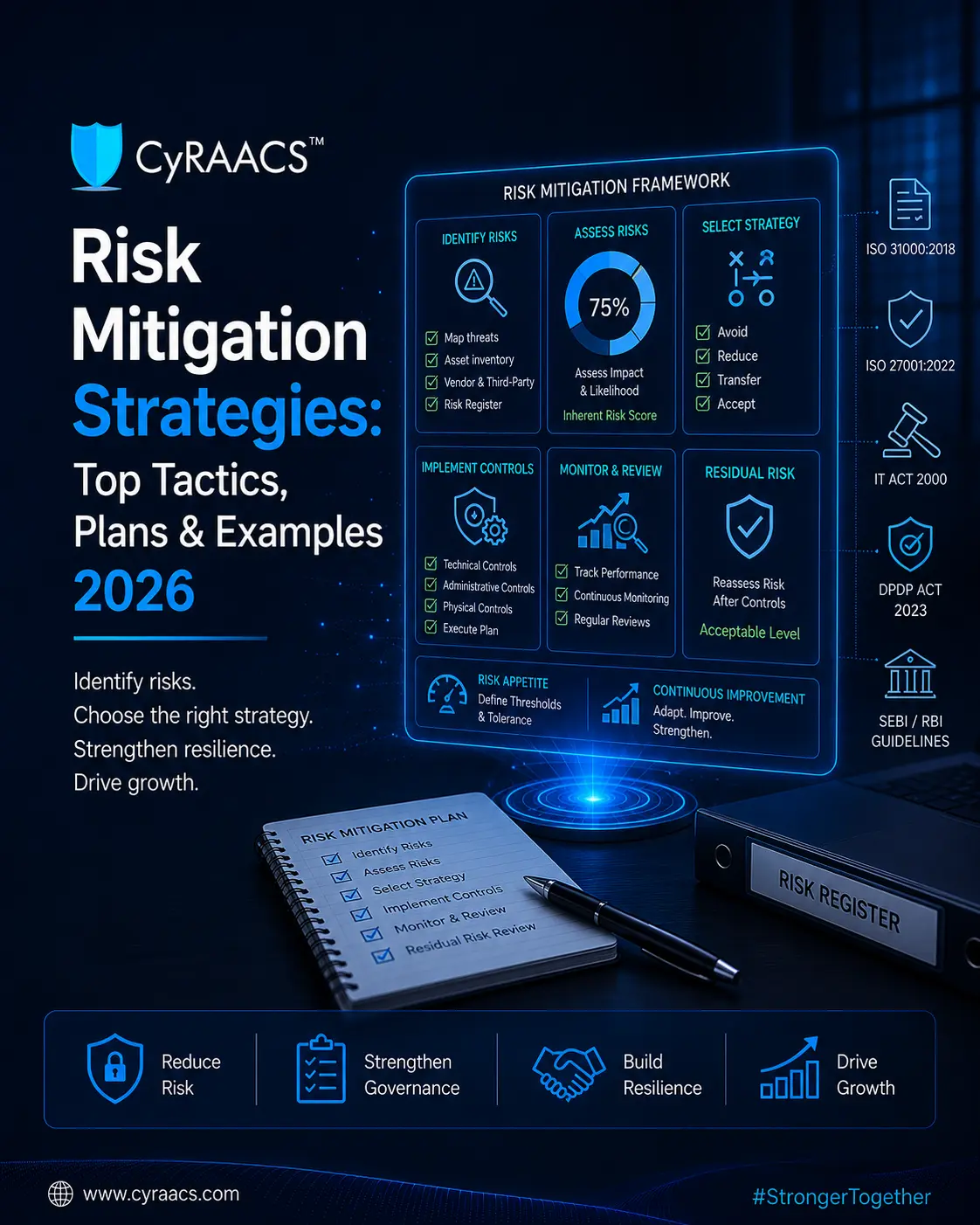
At CyRAACS, we perform an extensive Risk Assessment to identify the inherent and residual information security risks across the organization. Based on the assessment conducted, we recommend Risk Mitigation measures to ensure the appropriate security controls are in place in line with the organization risk appetite.

Business Continuity planning is essentially a form of insurance. It gives organizations the comfort of knowing that, even if disaster strikes, the damage won’t be overwhelming.
Having an effective Business Continuity Management ensures that organizations can continue to provide an acceptable service in the event of a disaster, helping them preserve their reputation and keep revenue coming in. In the event that its key management resources are compromised, it is critical for an organization to be proactive and create a viable plan of countermeasures.
CyRAACS’s business continuity professionals provide consultancy help in identifying risks arising from third party vendor networks, managing them effectively, and planning how you can operate, improving your organizational resilience.

An Information Security Maturity Model provides a path forward and enables the organization to periodically assess where it is along that path. Our unique qualitative and quantitative assessment model is adapted from the CMMI rating scale. CyRAACS’s Maturity Model Assessment framework helps to understand the organization’s risk exposure, and the maturity of the current information security program and identify areas for improvement, we also create benchmarks against other organizations and validate that security investments have improved security posture. We also provide a roadmap with opportunities in the areas of technology, process, and capabilities for information security.
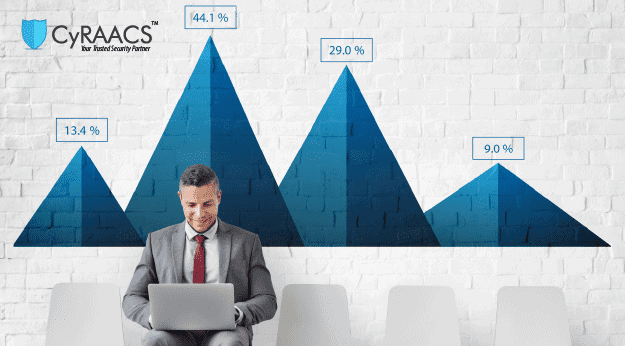
For today’s way of the data treatment, it is an easy target to expose as organizations across the world are looking at the increasing amounts of data to deal with every day, this could be through e-mails, files, transactions, etc. Hence organizations urgently need to understand what their sensitive data is and where they are so that they can deploy appropriate controls to protect it. Data Flow Analysis (DFA) is the first step toward identifying sensitive data and implementing appropriate security controls for data protection.
CyRAACS’s DFA framework covers all the stages of the data lifecycle right from data acquisition to retirement. It helps to capture an accurate picture of the data flow at various stages within the organization. The output from DFA can act as key inputs to a Digital Rights Management (DRM) or Data Leakage Prevention (DLP) tool implementation, should an organization wish to implement those tools.

Build your future with us.
As organizations expand their digital ecosystems, reliance on third-party vendors, suppliers, and service providers continues to grow. Cloud platforms, SaaS tools, outsourcing partners, and technology vendors play a critical role
Organisations find themselves ensnared by an inadvertent web of their own making-an accumulation of information security and cybersecurity controls that, whilst well-intentioned, have proliferated beyond strategic necessity. The average organisation
The current hyper-digital economy, heavily dependent on digital systems and information relies on the key foundational concept, “how securely and responsibly an institution handles data”. As digital transformation accelerates in
Organisations implementing even the most sophisticated cybersecurity programmes face an inescapable reality: perfect security remains unattainable. Despite robust controls and comprehensive risk mitigation strategies, some degree of vulnerability invariably persists.
In today’s hyper-connected business environment, organizations rely heavily on third parties for critical operations—ranging from SaaS vendors to cloud providers and logistics partners. While these relationships accelerate digital transformation and
Cyber risks are evolving at unprecedented speed. Regulatory pressure is mounting. Traditional risk registers and static frameworks no longer suffice. To stay ahead of threats and meet modern security expectations,
As organisations accelerate digital innovation, they simultaneously confront an exponential surge in attack surface, sophisticated threat actors and stringent regulatory demands making Cyber Risk Management no longer optional but critical
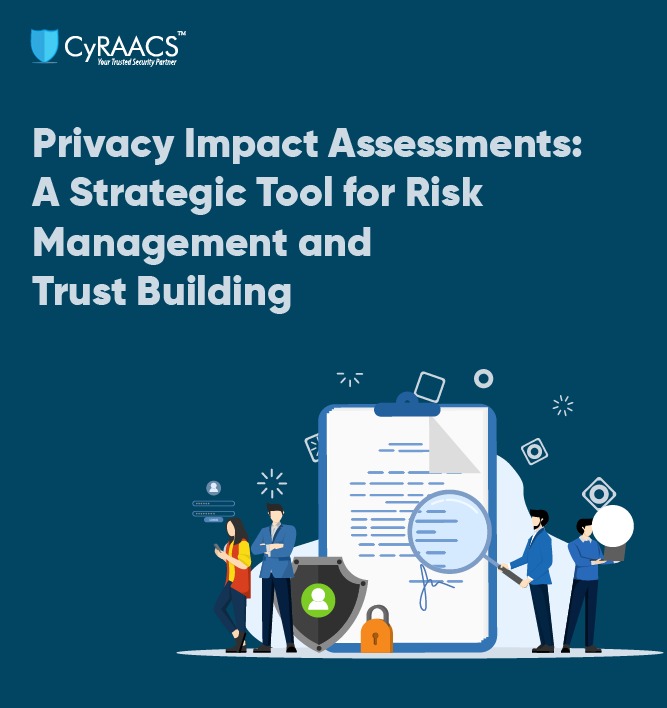
In an era where data privacy concerns are at the forefront, organizations must proactively address potential risks associated with personal data processing. Privacy Impact Assessments (PIAs) have emerged as a
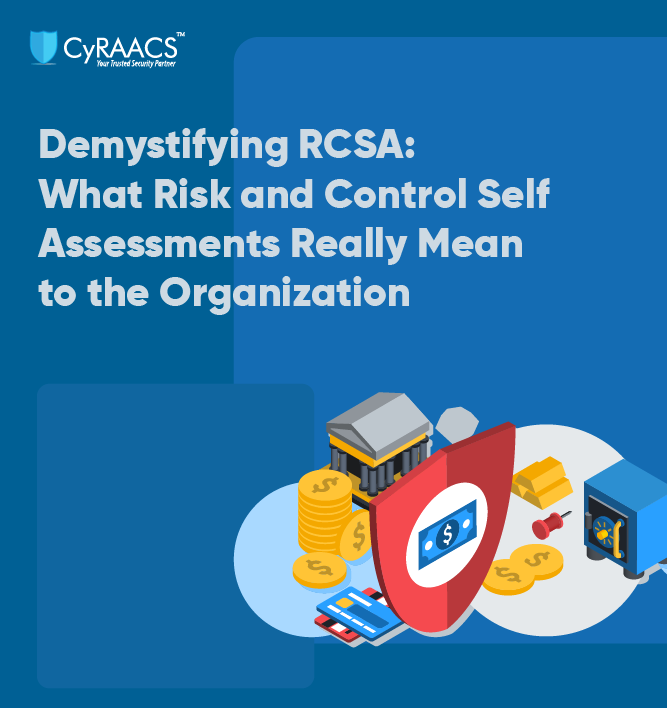
In today’s complex business environment, understanding and managing operational risks is paramount. One of the most effective tools organizations employ for this purpose is the Risk and Control Self-Assessment (RCSA).
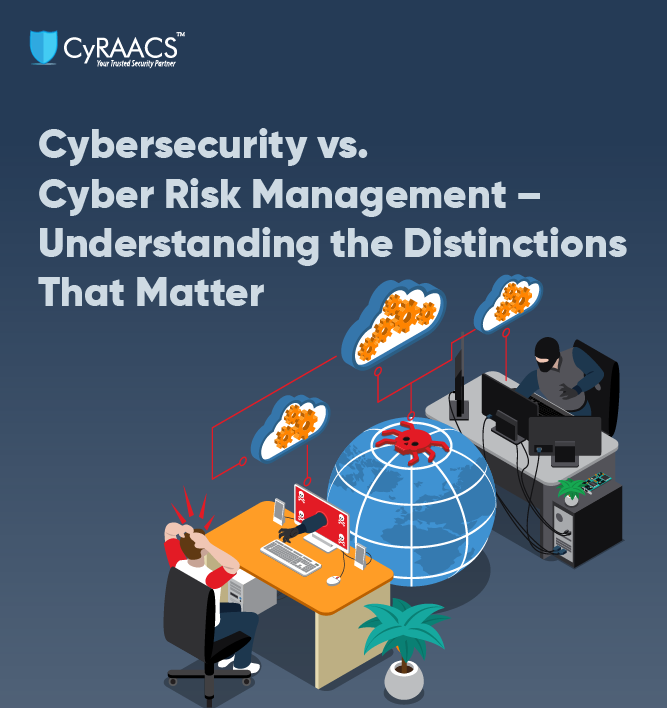
In today’s hyper-connected business environment, it’s no longer enough to think of cybersecurity in purely technical terms. Executives and security leaders are increasingly focusing on cyber risk management – a
1. What Is Third-Party Risk and Why It Matters Third-party risk refers to the potential threats and uncertainties that arise from an organization’s use of external suppliers, vendors, or partners.
In the realm of cybersecurity and enterprise risk management, confusion between “risk appetite” and “risk tolerance” is more common than you might expect. Yet, clearly distinguishing between the two is
In today’s risk environment, where digital transformation, regulatory pressure, and cyber threats converge, a risk management strategy cannot afford to be passive or fragmented. Maturity in risk strategy is no
Risk is an unavoidable part of business—especially in the digital age where threats are both pervasive and persistent. For SMEs navigating the cybersecurity landscape, the risk register is an indispensable tool that
In today’s digital landscape, cybersecurity threats are evolving faster than ever. Organizations need more than just reactive measures – they need a proactive, structured approach to manage cyber risk. That’s
Integrated Risk Management (IRM) is a comprehensive and strategic approach to identifying, assessing, mitigating, and continuously monitoring risks across an organization. Unlike traditional risk management, which often operates in isolated